Think Before You Post

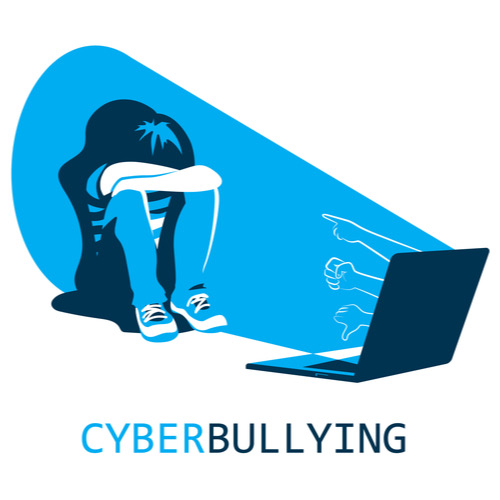
On social media, sometimes we get the temptation to step out of line and post things we usually wouldn’t. People tend to act different on social media than they would in real life because sometimes they’re too comfortable behind their screens and they think it’ll protect them. It can be a good thing because sometimes it can make that individual more confident but the downside of it is that people can take it too far and be negative towards others.

Once you post something on the internet, there’s usually no going back. Things stay in the web forever even after you delete it. Even if people haven’t seen it yet, it stays somewhere out there and you won’t ever know. Sending personal photos to someone you “trust” isn’t always a good idea either because you never know what they could do with that picture. They could decide to post them or send them to people without your consent and there’s no taking it back. 

Fifteen year old Amanda Todd was a target of cyberbullying because of a “flash” she did on a popular video chatting site used to meet new people. She was blackmailed and the screenshots that people took of her without her consent, were sent around to people close to her and those same pictures got around to her school. After continuous months of being blackmailed, she posted a video on YouTube posting her experience of being bullied. A few months later, she committed suicide. She didn’t think much about how a mistake could affect her life forever. Her story is used to spread awareness of suicide, bullying, and the use of social media.

Think before you post on social media because it can hurt you and/or the person being targeted. Negative posts have serious consequences and you want to avoid posting bad stuff altogether. Know that authorities can get involved depending on the severity of your actions. Be safe online and use it the right way.

Balance Your Time On The Internet And Your Life

We all invest a good amount of our time to our electronic devices. We let it consume our day and sometimes we don’t even keep track of the time. You leave important things to do until the last minute and most of the time don’t even end up doing them. It’s not always intentional but it does happen. 

There’s many ways to balance your time spent on social media. You must limit your usage because in reality there really isn’t a reason you should check your apps more than once. Believe it or not, it’s hard for a lot of people because it’s become far more than just a temptation, but a habit. It’s good to practice being away from your phone, putting it on silent, or simply just turning it off. It keeps you alert of your current problems without being a distraction.

Live in the moment. When you’re with people, give them your full attention. We tend to use our phones as someone is talking to us and it’s very disrespectful to that person. Treat them like people and respect them. Not being on your phone all the time also allows you to make interactions with people in real life, not just on the internet. It’s much healthier that way and you learn more social skills than you do online. It’s important to know that simply being on your phone while your with people can be disrespectful. It happens in school as teachers are trying to teach or at work but know that those places aren’t the right time for that.

If you’re on your phone too much and it’s to the point you think it’s a problem, maybe try using some of this advice. It’s helpful in the long run and allows you to balance things much more than just your life and social media. It’s much healthier too.

Texting and Driving

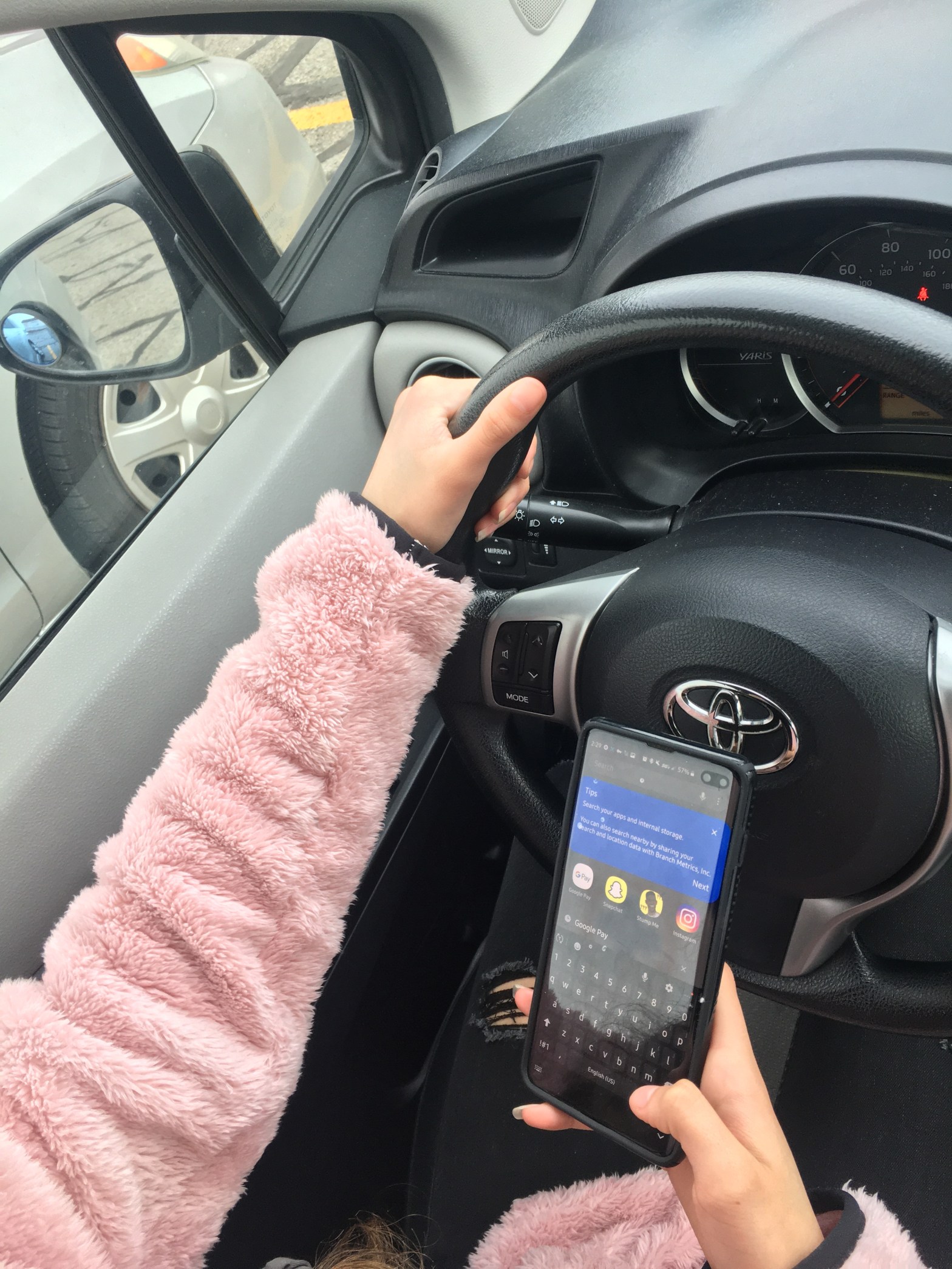
Everyone knows about texting and driving. Maybe you’ve seen someone do it or you yourself has done it before. It is among one of the most dangerous forms of distracted driving and it’s more dangerous than you’d think. According to studies, cell phone use behind the wheel reduces the amount of brain activity associated with driving by 37 percent. High school students who reported frequent texting while driving were less likely to wear a seatbelt and more likely to drink and drive. There have been many studies done in the past and the results change over the years because texting and driving has been becoming more of a problem not just for teens, but for adults too.

Texting and driving can be deadly. It causes approximately 1.6 million car accidents every year. In the U.S, 14 percent of all fatal crashes involved the use of a cell phone. In Utah, it is against the law to text and drive and there’s a lot of consequences for it. If an individual is caught, they can face up to three months in jail and up to a 750 dollar fine. Teen drivers are four times more likely than adults to get in an accident involving a phone. Eleven teens die everyday in the U.S as a result of texting and driving. 

Texting and driving is learnt behaviour meaning that an individual develops that habit out of experience. Maybe that person has seen others doing it and doesn’t see it as a problem, and it slowly develops into their daily driving life. It’s important to practice getting out of that habit; by doing so you’re learning to put less people’s lives at risk and your own. Texting and driving doesn’t only affect you, but it affects everyone on the road as well. Drive safe and make smart choices.

How to be Safe Online

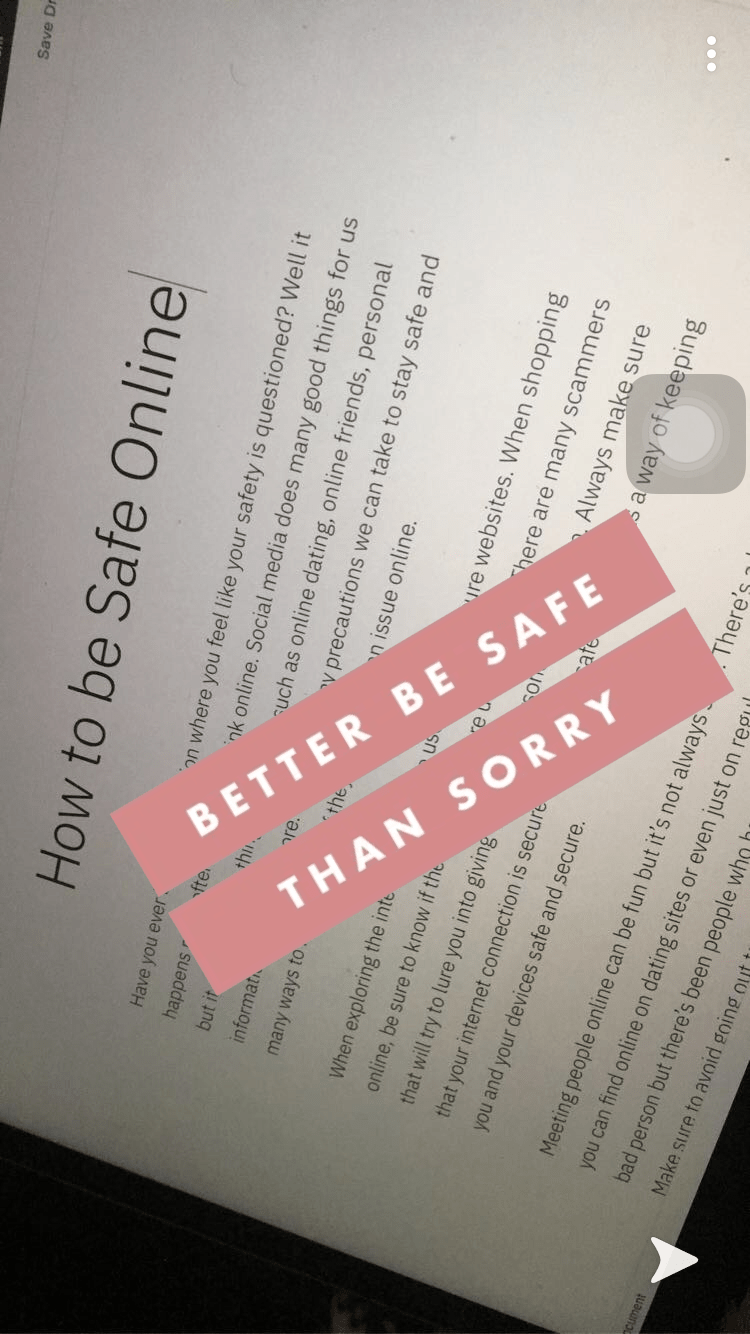
Have you ever been in a position where you feel like your safety is questioned? Well it happens more often than you’d think online. Social media does many good things for us but it also has many things of concern such as online dating, online friends, personal information and much more. There are many precautions we can take to stay safe and many ways to handle things if they are already an issue online.

When exploring the internet, be sure to use reliable, secure websites. When shopping online, be sure to know if the website you are using is safe. There are many scammers that will try to lure you into giving them your personal information. Always make sure that your internet connection is secure and practice safe browsing as a way of keeping you and your devices safe and secure. 

Meeting people online can be fun but it’s not always safe. There’s a lot of predators that you can find online on dating sites or even just on regular social media. Not everyone is a bad person but there’s been people who have met strangers and the outcome isn’t good. Make sure to avoid going out to areas where there aren’t many people in and to always be aware of what to do in a dangerous situation. Always keep your guard up and if you have to, share your location with a close friend or family member.

The internet does many good things for us but everyone should also be aware of the dangers there are. Be cautious of what you say or share and limit the amount of personal information you put out there. If you know how to be safe online you can teach others around you how to be safe as well.

Cyberbullying

The seriousness of cyberbullying varies from age groups. A large majority of young people that have experienced bullying will never tell anyone or report it, in fear that serious action will not be taken. Those who have experienced bullying are twice as likely to bully others, according to a research that Ditch the Label found. Bullying is a ”learned” behavior, meaning that it’s not a trait that someone is born with, they adopt it according to their environment and how it’s affected them. 

There’s many ways to prevent cyberbullying from happening. One way is to remind everyone, or yourself, to treat others as they would want to be treated. You have to know the consequences of what you say and do online. Once it’s out there, there’s little, or no chance to remove it at all. If you feel targeted, be aware of how to block or report people. Online behavior affects offline behavior, it’s better to be safe than sorry. 

If you don’t know how to deal with cyberbullying, here’s a few tips. Speak to a parent or trusted adult, don’t take matters into your own hands. Always block the perpetrator and report them if the threat continues on. Collect evidence if it’s serious enough, don’t just try to avoid the problem. By reporting it, maybe you’re helping someone else who is also a target of that same person. 

As a family member or friend, there’s many key warning signs that indicate that maybe someone close to you is being bullied. If the individual isolates themselves in an unusual way, that’s one sign. One of the most important signs is if they are nervous or jumpy when they go on social media and if they get mad when they’re asked them to share their online information with someone. Self-harm usually follows if this has been going for long enough. Don’t ignore these signs, do something about it. Cyber bullying can easily be prevented if the right standards are taken into place. It’s a serious matter. 

Design a site like this with WordPress.com
Get started