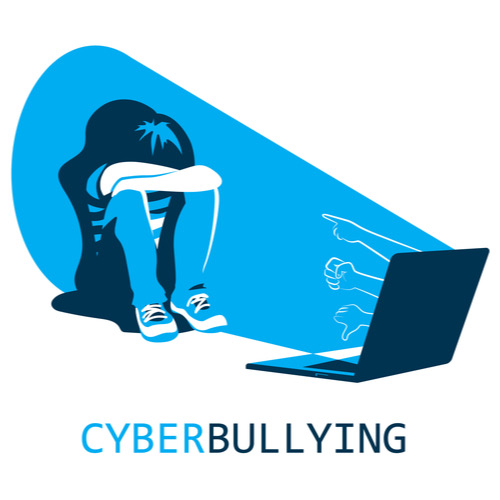
The seriousness of cyberbullying varies from age groups. A large majority of young people that have experienced bullying will never tell anyone or report it, in fear that serious action will not be taken. Those who have experienced bullying are twice as likely to bully others, according to a research that Ditch the Label found. Bullying is a ”learned” behavior, meaning that it’s not a trait that someone is born with, they adopt it according to their environment and how it’s affected them.
There’s many ways to prevent cyberbullying from happening. One way is to remind everyone, or yourself, to treat others as they would want to be treated. You have to know the consequences of what you say and do online. Once it’s out there, there’s little, or no chance to remove it at all. If you feel targeted, be aware of how to block or report people. Online behavior affects offline behavior, it’s better to be safe than sorry.
If you don’t know how to deal with cyberbullying, here’s a few tips. Speak to a parent or trusted adult, don’t take matters into your own hands. Always block the perpetrator and report them if the threat continues on. Collect evidence if it’s serious enough, don’t just try to avoid the problem. By reporting it, maybe you’re helping someone else who is also a target of that same person.
As a family member or friend, there’s many key warning signs that indicate that maybe someone close to you is being bullied. If the individual isolates themselves in an unusual way, that’s one sign. One of the most important signs is if they are nervous or jumpy when they go on social media and if they get mad when they’re asked them to share their online information with someone. Self-harm usually follows if this has been going for long enough. Don’t ignore these signs, do something about it. Cyber bullying can easily be prevented if the right standards are taken into place. It’s a serious matter.
 Social Media Safety